
The biggest lie aspiring authors tell themselves is that publishing requires a gatekeeper, an agent, and years of waiting for permission. The truth is simple: you can hold a published book with your name on the cover thirty days from today.

Whether you want to share hard-won professional expertise, publish a collection of poetry, compile short stories, or launch a novel, the barrier to entry has completely vanished. Here is your roadmap to getting it done.
1. You Can Do It: Just Start
Most people overcomplicate the writing process. You do not need to sit in an isolated cabin for six months to produce a book. If you have an existing body of work—blog posts, outlines, essays, or personal journals—you already have raw material waiting to be shaped.
Break the month down into manageable sprints:
- Week 1: Organization & Assembly. Gather your material. If you are starting fresh, outline a focused 60- to 100-page book. If you have existing writings, organize them into logical chapters or thematic sections.
- Week 2: Editing & Rewrites. Read through with a critical eye. Cut the fluff, tighten sentences, and ensure smooth transitions. Run it through grammar tools, or pass it to a trusted peer for notes.
- Week 3: Formatting & Cover Design. Prep the files for digital and print formats, and design a clean, genre-appropriate cover.
- Week 4: Upload, Review, & Launch. Hit publish, order your proof copy, and make it live to the world.
Stop waiting for the “perfect” manuscript. Action builds momentum; indecision kills it.
2. What Is Amazon KDP?
Amazon Kindle Direct Publishing (KDP) is a free, print-on-demand and digital self-publishing platform. It allows anyone to publish eBooks, paperbacks, and hardcovers without paying upfront inventory costs.
When a reader buys your paperback, Amazon prints a single copy, ships it to the customer, handles customer service, and deposits the royalty into your bank account. KDP gives you access to a global marketplace, lets you retain your rights, and enables you to order discounted “author copies” at wholesale printing cost.
3. How to Format for Kindle (eBook)
Formatting an eBook is about reflowable text—meaning the layout must adapt seamlessly across phones, tablets, and e-readers.
- Keep It Clean: Use standard fonts (e.g., Georgia, Times New Roman, or Arial) and avoid fancy page borders, headers, footers, or hardcoded page numbers.
- Use Word Heading Styles: Highlight your chapter titles and format them using the built-in Heading 1 style. This allows Kindle to generate a clickable table of contents automatically.
- Page Breaks: Always insert a clean page break at the end of every chapter so new sections start at the top of a new screen.
- Kindle Create: For the smoothest experience, download Amazon’s free Kindle Create tool. Import your clean Word document, style your front and back matter with a few clicks, preview how it renders across devices, and export your
.kpffile ready for upload.
4. How to Format for Paperback

Print formatting requires a fixed layout where every page appears precisely as it will look on the printed page.
- Set Your Trim Size: Standard trade paperbacks typically use 6″ x 9″ or 5.5″ x 8.5″. Set your page size before formatting text.
- Account for Margins & Bleed: Set “Mirror Margins” so the inner margin (the gutter) has enough room for the book’s spine binding without swallowing text.
- Headers, Footers, and Page Numbers: Unlike eBooks, print interiors require page numbers and running headers. Keep them outside the text block and unlinked on blank or chapter-title pages.
- Export as PDF: Never upload an editable document for a paperback interior. Always save and export as a print-ready, high-resolution PDF with embedded fonts.
- Cover Sizing: Use Amazon’s free cover calculator to get exact spine-width dimensions based on your final page count. Your cover file must be a single, flat PDF that includes the back cover, spine, and front cover wrapped together.
5. Marketing on Social Media
Publishing the book is half the job; letting people know it exists is the other half. You don’t need a massive ad spend to build awareness.
- Document the 30-Day Journey: Post snippets, cover reveals, and milestone updates on LinkedIn, Instagram, or Facebook as you work through the month. People buy into the process before they buy the product.
- Share Excerpts and Actionable Advice: Pull strong quotes, graphics, or bulleted tips directly from your chapters and turn them into short-form text posts or video clips.
- Mobilize an Early Review Team: Gather 10 to 20 colleagues or friends to read an advance digital copy so they can leave honest reviews within the first 48 hours of launch.
6. Your Book as the Ultimate Calling Card
Too many first-time authors measure success entirely by whether they hit bestseller lists or make thousands in digital royalties. While royalties and Kindle Unlimited page reads provide nice monthly passive income, the real power of self-publishing lies in leverage.
A published book is a permanent business card that commands instant credibility.
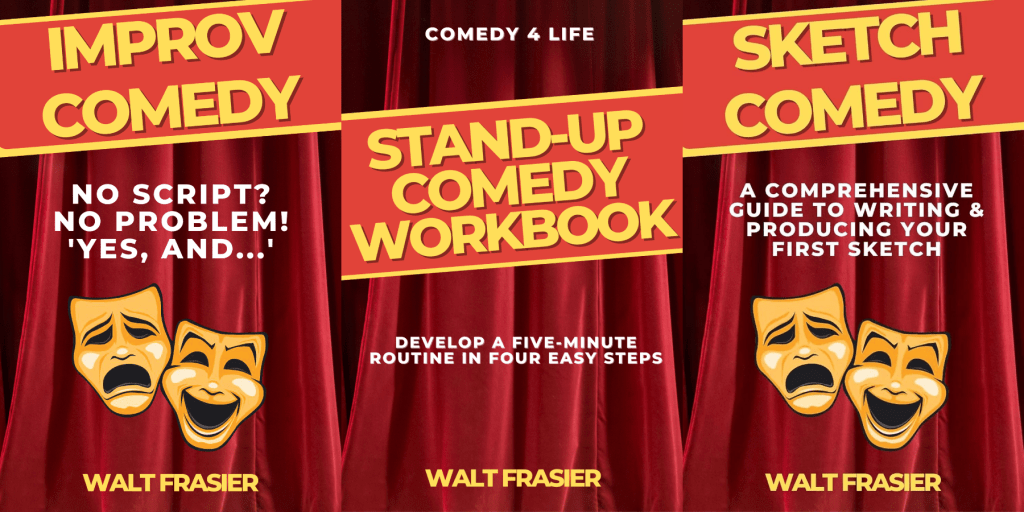
- Author Copies as High-Impact Tools: Author copies cost only the base print price—often between $2.50 and $4.50 a copy. Hand them out as course textbooks in training sessions, or use a title like Quit Your Day Job as a memorable gag gift or a prize at corporate events and Murder Mystery awards.
- In-Person Authority: Being a published author opens doors that standard resumes cannot. It allows you to pitch workshops and speaking engagements to corporate clients, community centers, and libraries with immediate authority.
- More Work Than Social Posts: A social media post lives for 24 hours before disappearing into the algorithm. A book sits on a client’s desk, lives on their shelf, and anchors your personal brand permanently. For a full-time corporate trainer, entertainer, and producer, a catalog of published books consistently drives more real-world contracts and client bookings than endless social media content ever could.
Thirty days from now, you can either still be talking about writing a book—or you can hand someone a finished copy. Open a blank document, outline chapter one, and get to work.


With over 30 years of experience in theater, comedy, and television, Walt Frasier is the Artistic Director of Improv Theater LLC, a leading edutainment center known for its high-impact comedy shows and workshops. His extensive career includes performing comedy sketches on MTV’s Stankervision, Late Nite with David Letterman, TruTV’s Friends of the People, and HBO’s Pause with Sam Jay. As an actor, Walt has appeared on NBC’s Blacklist, CBS’s Blue Bloods, USA’s Royal Pains, Netflix’s Lilyhammer, and NICK’s Naked Brothers Band, in addition to numerous commercials, industrials, and live performances worldwide.

You must be logged in to post a comment.