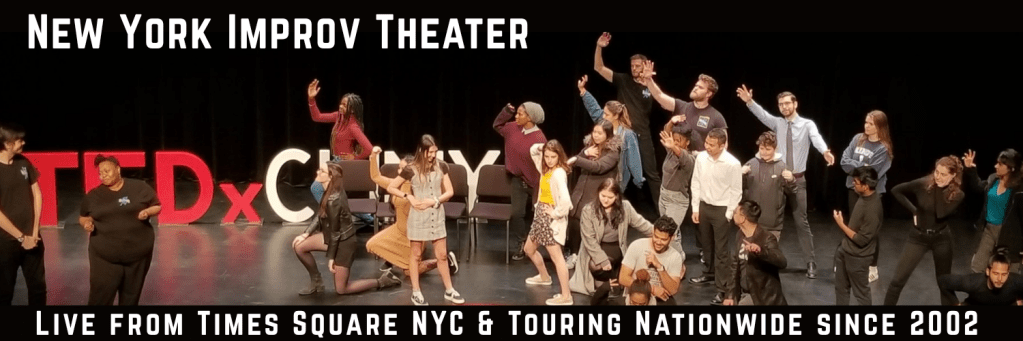
In Shakespeare, the most intelligent characters are the clowns, the fools. The folks I most respect as leaders and teachers were profoundly intelligent and also able to become a clown.
The phrase “don’t be foolish” is practically a societal mantra, ingrained in us from a young age. We are conditioned to seek control, predictability, and the approval of our peers. The specter of failure and embarrassment haunts countless lives, quietly hindering people from pursuing their passions, sharing transformative ideas, or simply being their true, authentic selves. We are told to be practical, rational, and conformist, effectively stifling the spark of innovation and personal joy.
However, it’s in the moments we dare to be “foolish” that true transformation begins. This is what improv teaches us. It demands that you step onto the stage, embrace the unknown, and find that five-year-old fearless creative play inside of us. This willingness to be foolish is a form of bravery, but more importantly, it’s a gateway to a deeper level of intelligence.
When you truly have the ability to listen to something and let it inspire you at a deep, cellular level, you respond with something equally amazing—if not more so. It doesn’t have to be profound every time; if it’s not, that’s okay. But because you aren’t afraid to look foolish, you suddenly stumble onto greater thoughts and a boundless creativity that you never could have achieved in a “safe,” controlled space.
The realization that you’re not being foolish, but truly playful, is profound. When this shift occurs, work doesn’t feel like work. Public speaking, that common torture, transforms into an opportunity for connection. Most of us don’t need therapy or medication to “fix” our anxiety; we just need to eliminate the cause of it by embracing it. Anxiety isn’t a bad thing—it’s just a feeling. The only difference between an anxiety attack and a panic attack is whether or not you think you’re dying.
This is more than just “Kumbaya” feel-good stuff. This is about a deeper level of access to our subconscious minds. When we achieve this state of focus, we tap into our full capacity of lived experiences, memories, and observations. That raw data is what allows us to be better team members, better leaders, better salespeople, and better students. By dismantling the barriers of judgment, we finally unlock the full power of our own minds.
Embrace your inner fool / child!
Check out our classes and corporate workshops. Bring improv to your community.